


Description
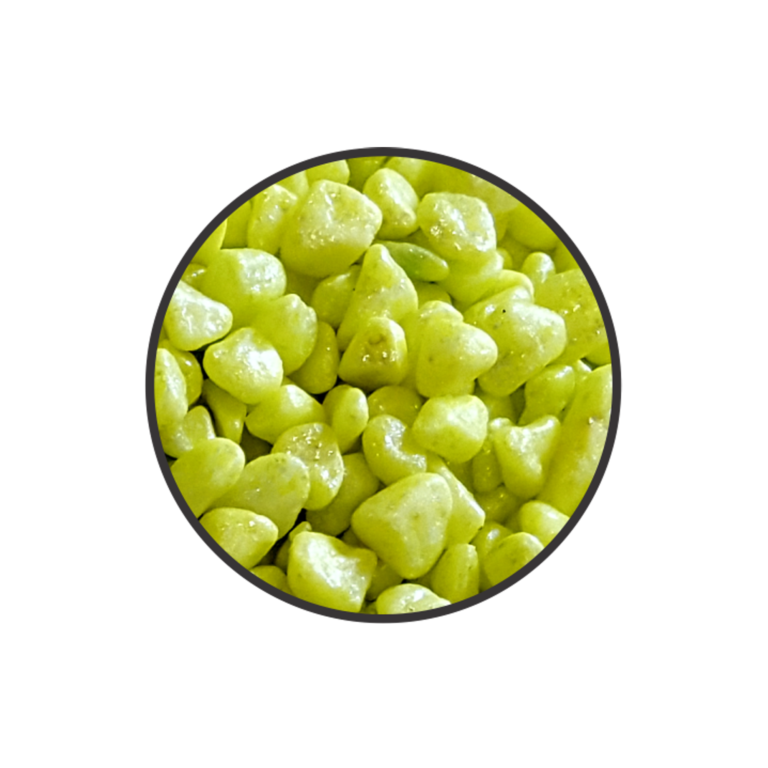
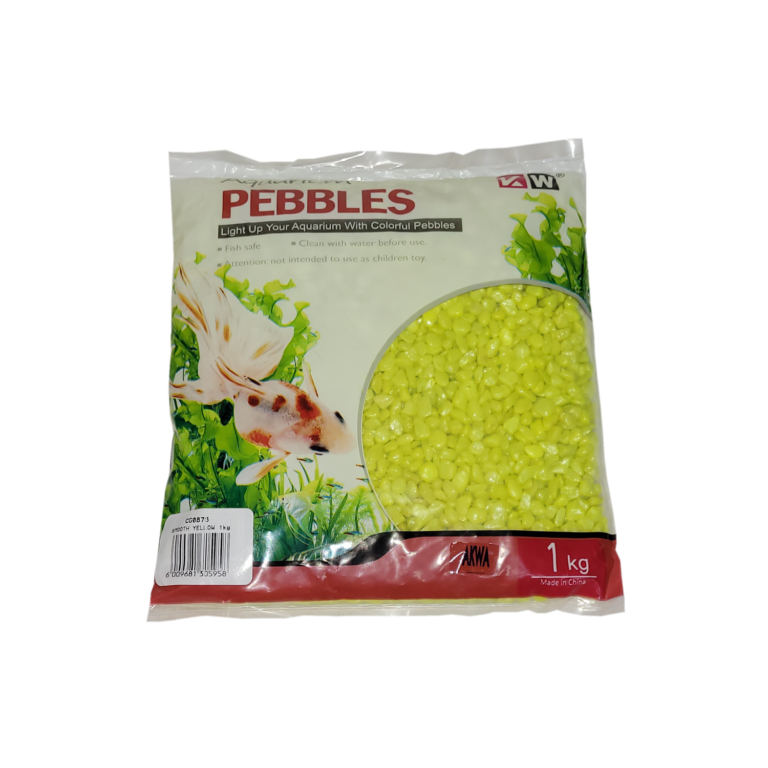
Aquarium colored stone smooth yellow, often called yellow aquarium gravel, offers a vibrant touch to your freshwater aquarium. Here’s a breakdown of its pros, cons, and things to consider before deciding:
Pros:
- Visually Appealing: The bright yellow color adds a unique and eye-catching element to your tank, creating a cheerful and playful atmosphere. It can particularly enhance the appearance of colorful fish or green plants.
- Smooth and Safe for Fish: The smooth, rounded surface of the stones prevents injuries to your fish’s fins and gills.
- May Aid Plant Growth: Depending on the specific composition of the stones, they might provide some support for plant roots, although larger plants may need additional anchoring.
- Relatively Affordable: Yellow aquarium gravel is generally more affordable than other decorative options like driftwood or live plants.
Cons:
- Debris Trapping: The spaces between the stones can trap dirt, debris, and fish waste, requiring regular cleaning and siphoning to maintain good water quality.
- Unsuitable for Certain Fish: Bottom-feeders known for ingesting gravel, like goldfish, might mistake the stones for food and experience digestive issues.
- Color Fading: Over time, the yellow color might fade depending on the dyeing process and water conditions.
- Potential Water Hardness Impact: Some types of yellow stones might slightly raise the pH and hardness of your aquarium water. Monitor your parameters closely.
Important Considerations:
- Fish Compatibility: Ensure the size and texture of the stones are safe for your chosen fish species, especially bottom-feeders.
- Aquarium Size: Choose the appropriate amount of gravel to cover the bottom without overfilling. Aim for 1-2 inches of depth based on your tank size.
- Filtration System: Make sure your filter can handle the size of the stones and maintain good water flow.
- Aesthetics: Consider if the bright yellow color complements your desired design and harmonizes with other decorations.
Additional Tips:
- Rinse the stones thoroughly before adding them to your aquarium to remove dust and debris.
- Regularly clean the gravel with a gravel vacuum to prevent waste buildup.
- Monitor your water quality parameters, especially pH and hardness, after adding the stones.
- If concerned about color fading, opt for brands known for using colorfast dyes.
- Research the specific composition of the stones to understand potential impacts on water parameters and aesthetics.
Ultimately, yellow aquarium gravel can be a suitable choice for creating a vibrant and playful aquarium environment, especially for fish that thrive in specific substrate conditions.


Reviews
There are no reviews yet.